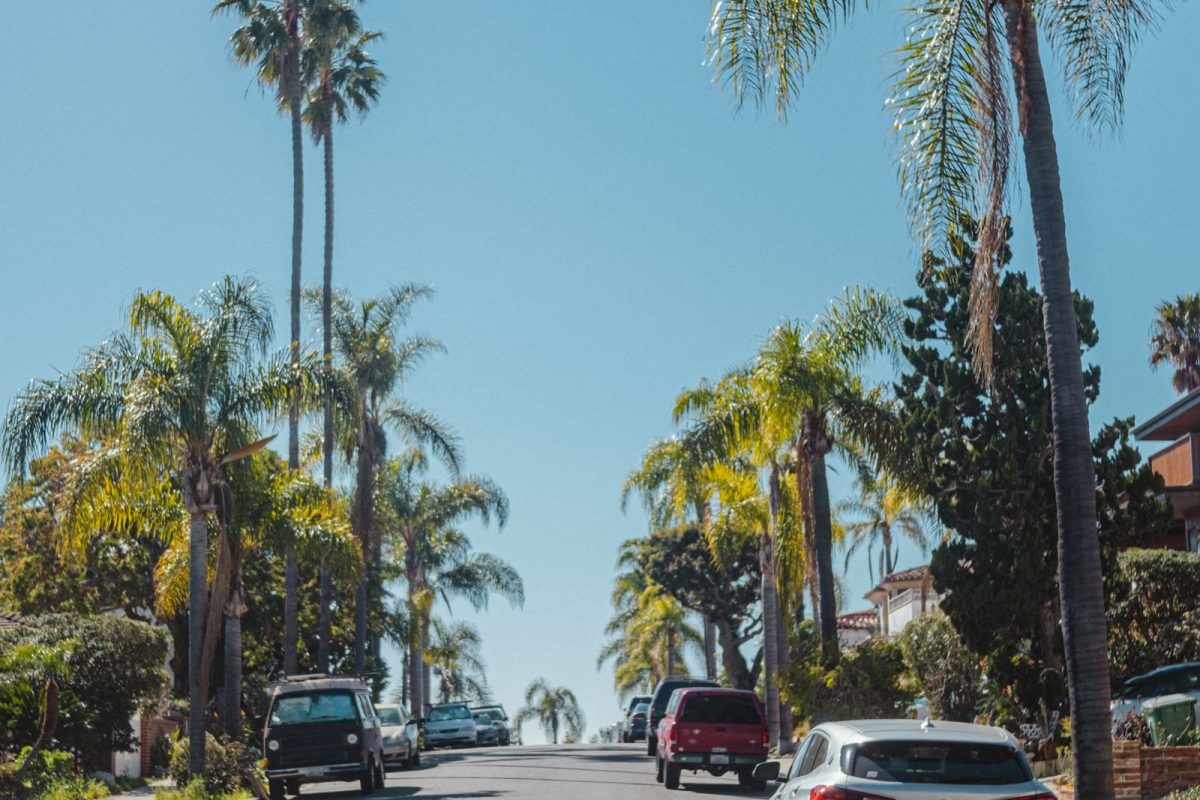
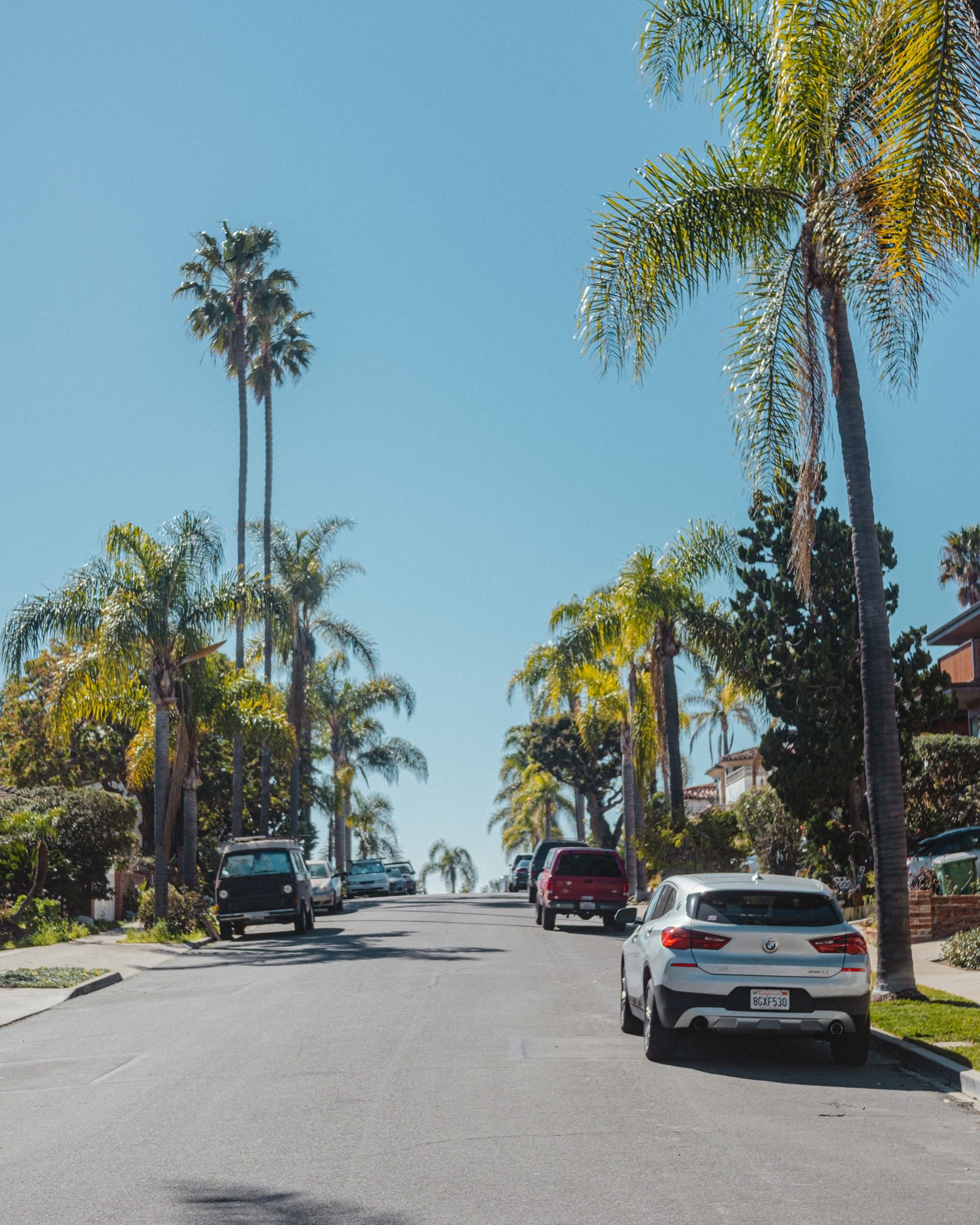
Before the sections, the avenues and the lakes, there was valley and sugarcane here. In the sixties, the Levitt organization raised on this plain one of the largest planned communities in the Caribbean: Levittown.
The last name is no coincidence. William Levitt’s Levitt & Sons had already made history in the United States with its original Levittowns, the single-family home communities that defined the modern suburb. In the early sixties, the firm set its eyes on Puerto Rico, on the flat lands of Toa Baja between the La Plata river and San Juan Bay, and in 1963 the Puerto Rican Levittown began to rise.
The proposal was new for the island: a complete planned community, with single-family homes at prices within reach of the middle class, organized in sections, with its main avenues — the Boulevard, Dos Palmas —, schools, churches, commercial areas and recreational spaces designed from the drawing board. It was not a cluster of houses: it was a small city designed all at once.
The moment could not have been more precise. Puerto Rico was living its great economic transformation, thousands of families were looking for their first home of their own, and the middle class was growing with new jobs. Levittown offered them exactly that: the house with its yard, in a complete neighborhood, a reasonable distance from the metropolitan area. For many families, signing for that house was the founding act of their modern history.
Over the years, the original project kept growing in stages and the name became an identity: “from Levittown” began to say more than an address. The lakes and green areas that accompany the development finished setting its landscape, and the community developed institutions of its own that sustain it to this day.
The families arrived, and the plan slowly turned into a neighborhood. Each section developed its character, the lakes became part of the everyday landscape, and the avenues filled with the life no drawing can anticipate: shops, teams, driveway parties, generations growing up on the same streets.
Six decades later, Levittown remains faithful to its original idea — a home of your own, a quiet street, a community at human scale — and at the same time it is something better: a place with a memory of its own, which no longer depends on the plan that drew it, but on the people who have lived in it and keep caring for it.

Comentar en Atelier 00949 requiere tu cuenta de Hey Levittown.
Entrar con Hey Levittown